

Quick answer
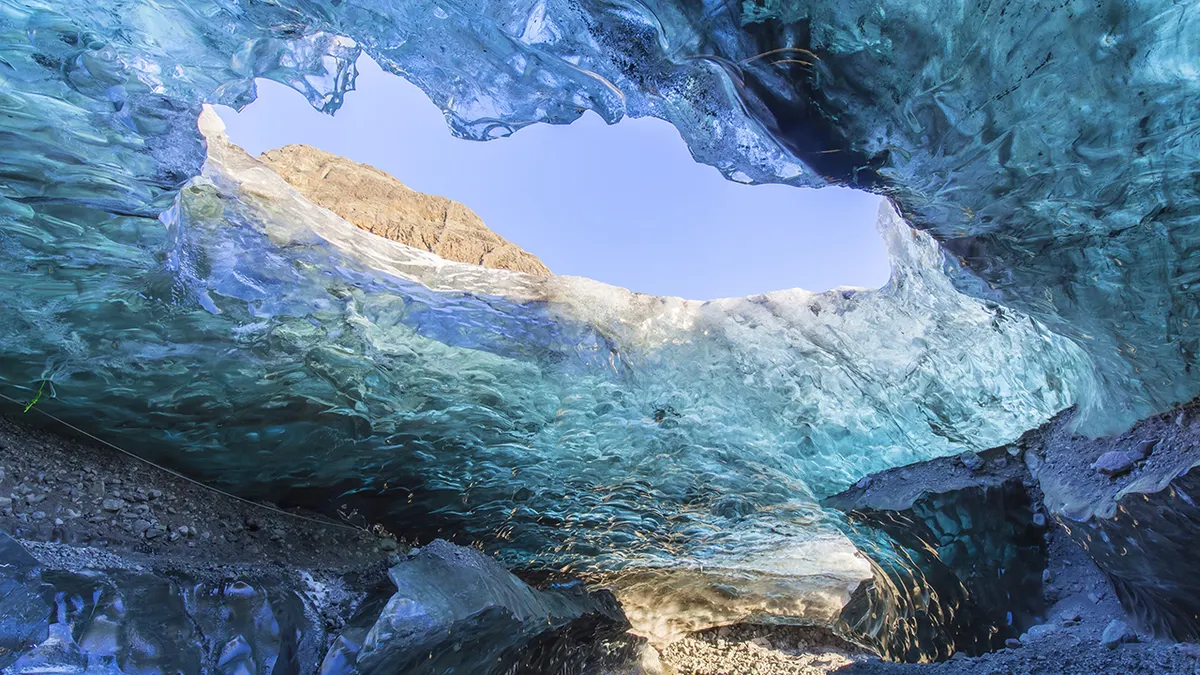
Natural ice caves in Iceland are inaccessible and unsafe during summer months, typically from May through October. Glacial melt destabilizes cave structures, creating collapse risk and flooding hazards that make guided tours impossible. Vatnajökull National Park ice caves remain closed throughout this period, with no entrance fee applicable as the formations cannot be safely entered. Winter remains the only season for ice cave exploration in this region.
Glaciers carve ice caves through the mechanics of meltwater drainage, not through permanent excavation. Summer temperatures in Iceland accelerate the melt cycle that undermines the structural integrity of these formations. What appears solid in January becomes hydraulically unstable by June, as water channels widen and roof thickness diminishes below safe thresholds. The closure of glacier caves during warmer months reflects physics rather than bureaucracy. Vatnajökull, Europe's largest ice cap, generates the country's most photographed cave systems, but summer melt transforms these spaces into active drainage conduits. Water volume increases exponentially as temperatures rise, turning static ice chambers into flowing tunnels where ceiling collapse and sudden flooding present immediate danger. Tour operators suspend all ice cave expeditions during this window, and no amount of experience or equipment mitigates the risk of entering a structure in active decay. Travelers asking whether you can visit ice caves in Iceland during summer often conflate different glacier experiences. While natural caves remain off-limits, man-made glacier tunnels at Langjökull operate year-round, accessed through excavated passages that bypass melt-zone instability. These engineered spaces offer a controlled alternative, though they lack the organic architecture of seasonal formations. Surface glacier hikes on Sólheimajökull and Svínafellsjökull continue through summer with crampons and guides, providing direct ice contact without cave penetration. The seasonal rhythm governs all planning. Ice cave tours in the Vatnajökull region resume in mid-November once temperatures drop below freezing for sustained periods, allowing new caves to stabilize and existing structures to refreeze. Crystal Cave, the most frequently toured formation near Jökulsárlón, typically opens in late November and remains accessible through March, though each season produces variations in shape and entry points as the glacier advances and retreats. By April, warming trends begin the cycle again, and access narrows until the final tours run in early May. The distinction matters because summer visitors to Iceland encounter a fundamentally different glacier landscape than winter travelers. Meltwater lakes expand, crevasse visibility improves under longer daylight, and ice surfaces shift from blue compression ice to sun-softened névé. These changes enhance certain experiences while eliminating others, and understanding the trade-off prevents mismatched expectations upon arrival.
“Summer temperatures transform static ice chambers into active drainage conduits where structural collapse becomes inevitable.”
Why You Cannot See Ice Caves in Iceland in Summer
Natural ice caves in Vatnajökull National Park are inaccessible during the summer months due to seasonal glacier melt. The optimal window for visiting stable, frozen ice caves is from mid-November through March.
Summer (June–August)
Not applicableTemperatures 8°C to 14°C
Caves are unstable and closed for safety.
Shoulder Season (April–May/September–October)
Low to moderateTemperatures 2°C to 10°C
Transition period; limited access to select caves.
Winter (November–March)
HighTemperatures -5°C to 3°C
Stable conditions allow for safe cave exploration.
Verdict: The best window for ice cave visitation is from November to March when cold temperatures ensure the structural integrity of the ice.
Can You See Ice Caves in Iceland in Summer: Operating Hours
Natural ice caves in Vatnajökull National Park remain closed to the public throughout the summer months. There are no operational hours for these sites during this period.
| Monday | Closed | |
|---|---|---|
| Tuesday | Closed | |
| Wednesday | Closed | |
| Thursday | Closed | |
| Friday | Closed | |
| Saturday | Closed | |
| Sunday | Closed |
Natural ice caves are inaccessible and unsafe for visitation during the summer months. Please refer to the official site at https://www.vatnajokulsthjodgardur.is for updates regarding winter access.
Entrance Fees for Can You See Ice Caves in Iceland in Summer Searches
Admission fees for natural ice caves in Vatnajökull National Park are non-existent during the summer season. These locations are closed and inaccessible for public visitation.
A typical adult pays 0 ISK for access, as natural ice caves in this region are strictly closed and unsafe for visitation throughout the summer.
Common Mistakes When Planning to See Ice Caves in Iceland in Summer
Summer travelers often misunderstand glacier accessibility and underestimate the dangers of melting ice. Here are the most common planning errors.
Assuming natural ice caves remain open year-round
Natural ice caves in Vatnajökull collapse during summer thaw and are completely inaccessible. Tour operators do not offer trips to these formations between May and October due to structural instability and meltwater flooding.
Attempting to hike onto glaciers without a guide
Independent glacier access in summer is illegal in many areas and extremely dangerous—hidden crevasses open as ice softens, and surface melt creates unstable footing. Always book a certified guide through authorized operators.
Expecting the same blue ice formations as winter
Summer ice loses the compressed structure that creates vivid blue chambers. The formations photographed in winter marketing materials do not exist during warmer months—what remains are grey, slushy, and unsafe.
Confusing man-made ice tunnels with natural caves
Perennial ice tunnels like those at Langjökull operate year-round but are engineered attractions, not the natural glacier caves found in Vatnajökull. Confirm what type of experience you're booking.
Alternative Summer Sights Near Where You Can See Ice Caves in Iceland in Winter
While natural ice caves are inaccessible during summer, the surrounding Vatnajökull National Park offers year-round opportunities to experience glacier landscapes. These locations provide safe alternatives to observe glacial features and volcanic geology.
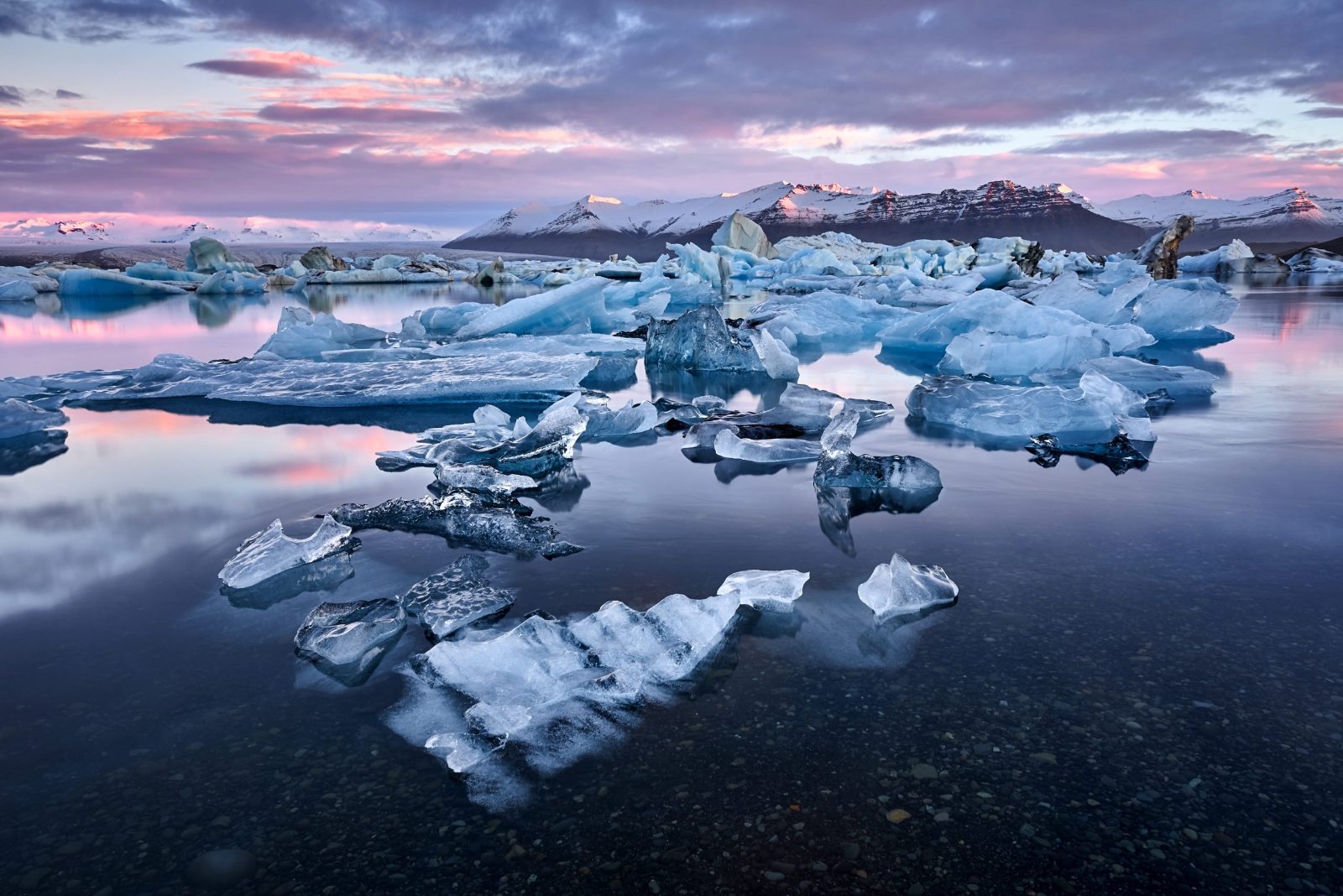
Jökulsárlón Glacier Lagoon
This lagoon contains floating icebergs that break off from the glacier, offering a view of ice without entering caves.
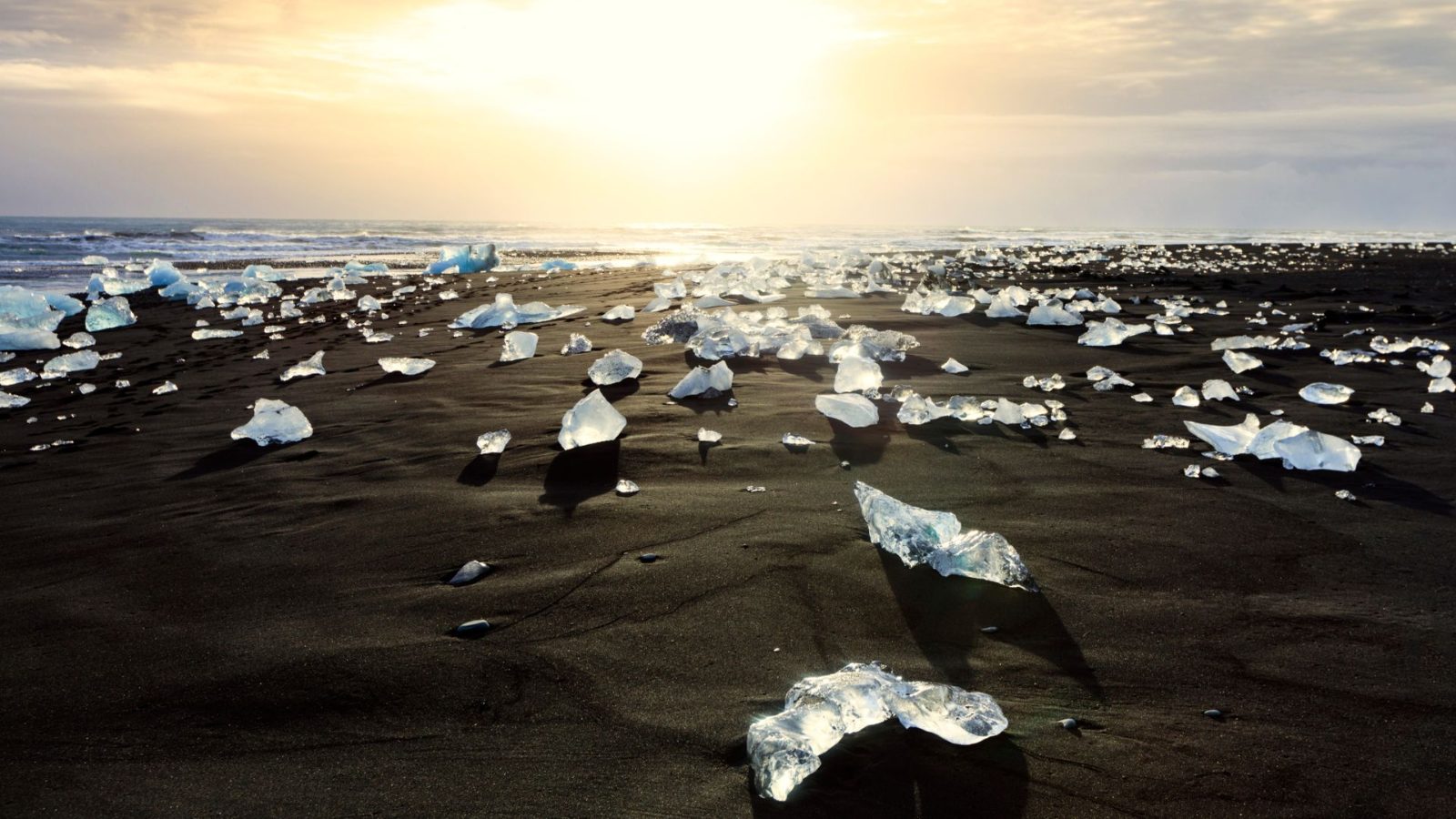
Diamond Beach
Located across from the lagoon, this beach features ice fragments washed ashore on black sand.
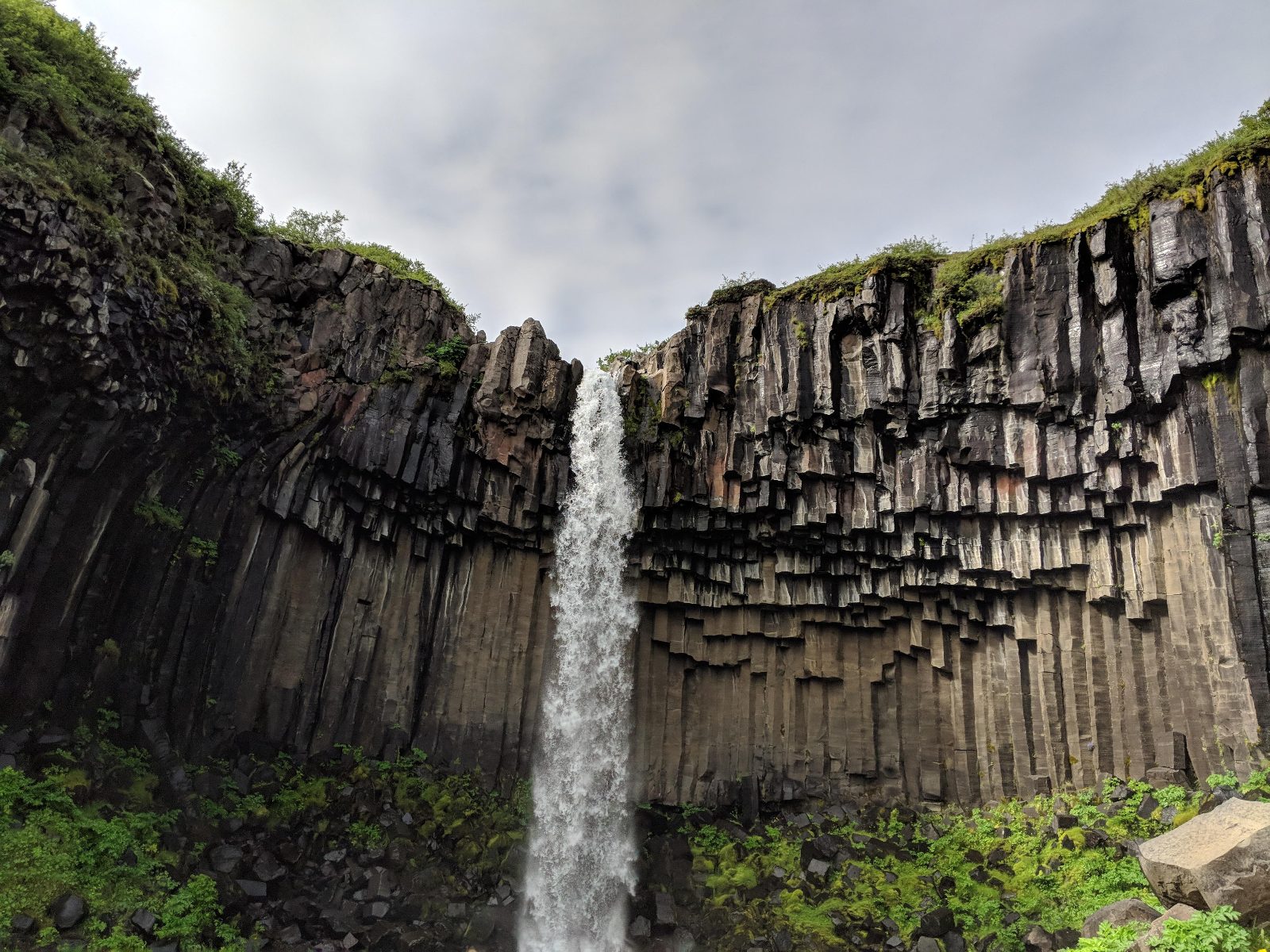
Svartifoss Waterfall
This waterfall is surrounded by dark basalt columns, showcasing the volcanic geology that defines the Vatnajökull region.
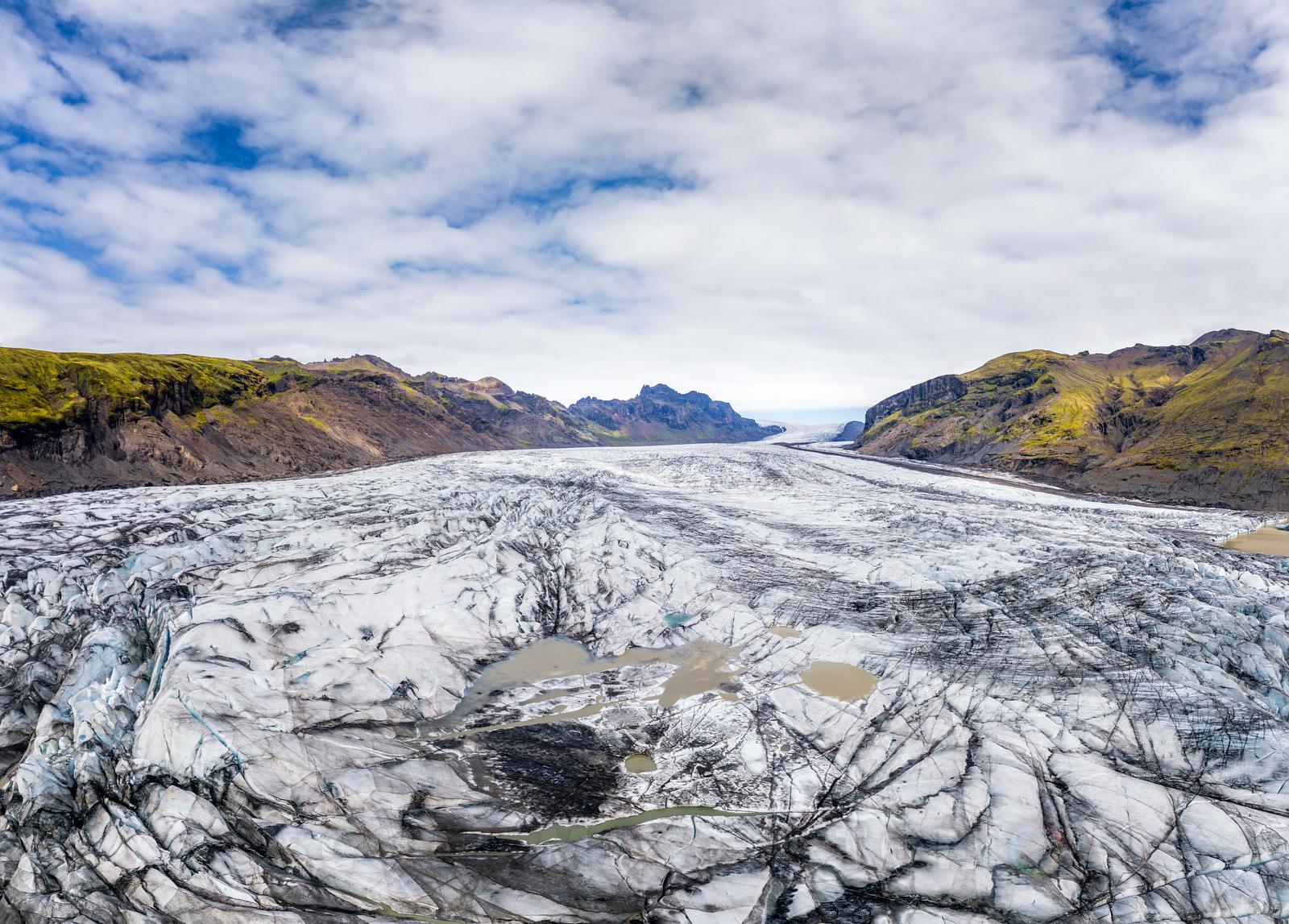
Skaftafellsjökull Glacier
A marked trail leads to a viewpoint of this glacier tongue, allowing visitors to see the ice formation from a safe distance.
Check availability
Frequently Asked Questions: Can You See Ice Caves in Iceland in Summer?
Everything you need to know about can you see ice caves in iceland in summer