

Quick answer
No, you cannot visit ice caves in Iceland on your own. Natural glacier caves within Vatnajökull National Park and other glaciated areas are accessible only through guided tours led by certified glacier guides. Independent access is prohibited because ice caves are unstable environments where collapse risk, crevasse fields, and rapidly changing conditions require professional navigation and safety equipment that casual visitors do not possess.
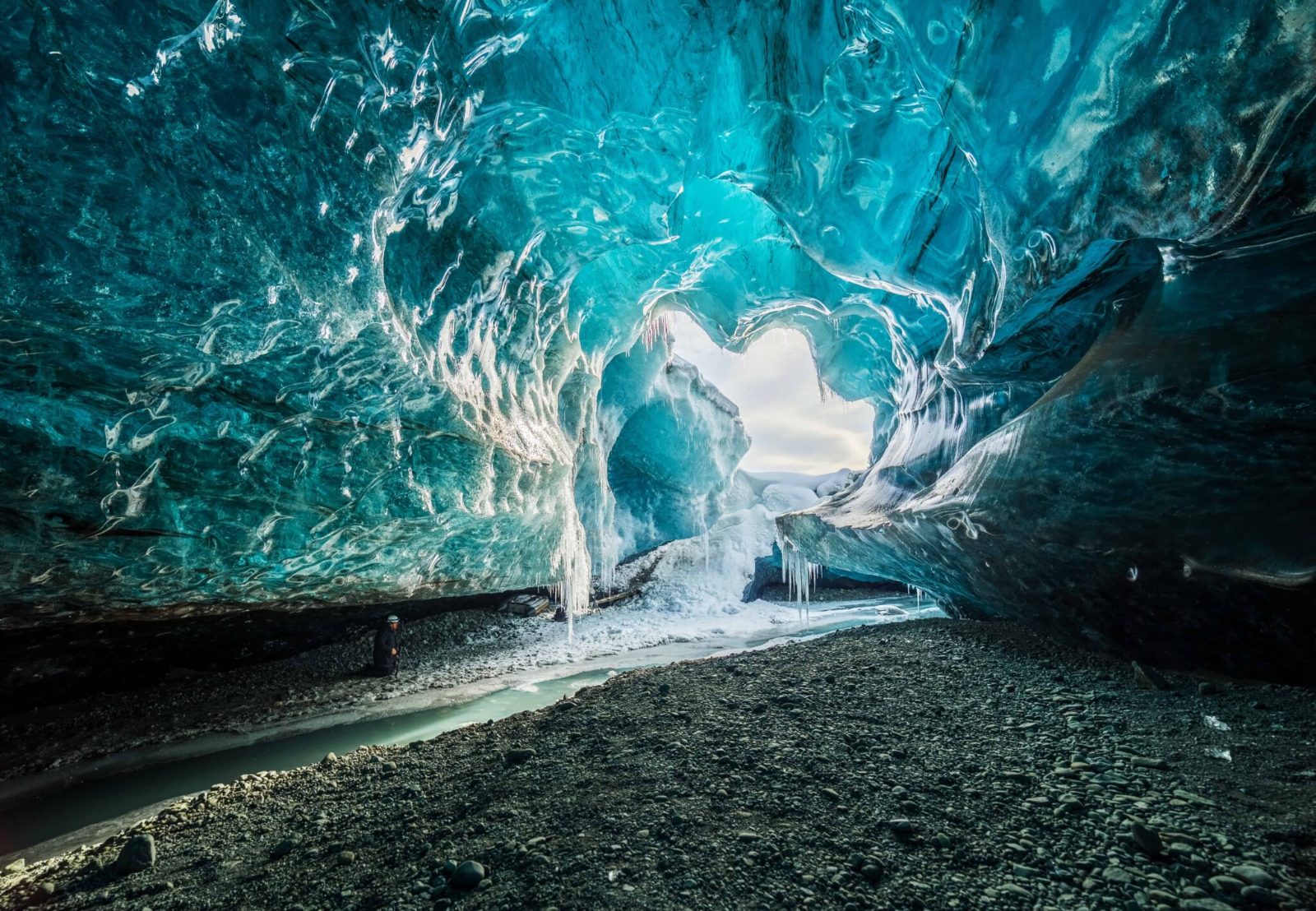
Ice caves in Iceland exist inside living glaciers, not static rock formations. Vatnajökull, the country's largest ice cap, produces dozens of ephemeral caves each winter as meltwater carves tunnels through compressed ice layers. These structures shift position annually, with new chambers appearing and old ones collapsing as the glacier advances or retreats. What tourists photograph one season may not exist the next. Guided access became mandatory after a series of incidents in the early 2010s demonstrated that glacier environments exceed the risk threshold for unassisted exploration. Ice cave ceilings are load-bearing structures that respond to temperature fluctuations, and the margin between stability and catastrophic failure is invisible to untrained observers. Certified guides monitor structural integrity daily, assess roof thickness with specialized tools, and know which sections of a cave system remain navigable. They also navigate the approach—most ice caves sit beyond crevasse fields that require rope systems and crampon technique to cross safely. The regulatory framework treats glacier caves as high-consequence terrain. Tour operators hold permits from Vatnajökull National Park and carry liability coverage that reflects the hazard profile. Guides complete Iceland's glacier guiding certification, which includes ice rescue, avalanche response, and cave structure assessment. Groups carry helmets, harnesses, and communication equipment as standard protocol. The system is built around the principle that glacier ice is a dynamic medium, not a passive backdrop. Visitors who attempt independent ice cave access face legal penalties and rescue costs that can exceed 10,000 euros. Search and rescue teams in Iceland operate on a volunteer basis but invoice for deployments triggered by illegal activity. More critically, solo explorers lack the real-time knowledge that guides acquire through daily cave inspections—whether a ceiling has thinned overnight, whether runoff has undermined a floor section, whether wind patterns have altered ventilation. These variables make yesterday's safe route today's fatal decision. Booking a guided tour means joining a small group with a certified leader who has assessed that specific cave within the previous 24 hours. Tours depart from staging areas near Jökulsárlón glacier lagoon or Skaftafell, depending on which cave system is currently accessible. The requirement is not bureaucratic caution—it reflects the engineering reality of ice as a construction material. Glaciers do not accommodate independent exploration because their structural behavior operates on a timeline human visitors cannot perceive without instruments and training.
“Ice cave ceilings are load-bearing structures that respond to temperature fluctuations, and the margin between stability and catastrophic failure is invisible to untrained observers.”
Why You Cannot Visit Ice Caves In Iceland On Your Own
Glaciers are active, unstable environments where conditions change hourly. Attempting self-guided ice cave exploration in Iceland consistently results in rescue operations and fatalities.
Assuming natural ice caves are publicly accessible like hiking trails
All natural ice caves in Vatnajökull require certified guides. Independent access is prohibited due to collapse risk, hidden crevasses, and rapidly changing glacier conditions.
Relying on GPS coordinates from online forums or travel blogs
Glacier formations shift continuously—caves that existed last season may have collapsed or become inaccessible. Only active tour operators possess current safety assessments and updated route intel.
Underestimating the need for specialized safety equipment and training
Ice cave environments require crampons, helmets, harnesses, and crevasse rescue knowledge. Tours provide certified equipment and guides trained in glacier emergency response.
Believing summer offers safer independent exploration than winter
Summer accelerates meltwater flow and structural instability. Guided access is mandatory year-round, with tours operating only when certified guides confirm current conditions are within safety parameters.
How To Secure Access For Ice Caves In Iceland Safely
Independent access to Iceland's natural ice caves is prohibited. The following procedure ensures you book with a licensed operator, the only legal route to experience these formations.
Verify operator credentials
Check that the tour company holds current permits from Vatnajökull National Park authorities. Many unlicensed services advertise online but cannot legally enter the caves.
Select a certified guided tour
Choose an excursion led by a glacier guide certified by the Icelandic Mountain Guides Association. These guides assess daily cave stability and abort trips when conditions are unsafe.
Book through the operator's platform
Reserve directly via the tour company's website or authorized booking partner. Confirm the meeting point, departure time, and what safety equipment is included in the package.
Confirm your departure logistics
Most tours depart from Jökulsárlón glacier lagoon or nearby staging areas. Verify transport arrangements from Reykjavík if you need a transfer, as the drive exceeds four hours each way.
Arrive at the designated meeting point
Reach the staging area fifteen minutes before your scheduled departure. Guides will conduct a safety briefing and distribute helmets, crampons, and headlamps before proceeding to the cave entrance.
Fees And Professional Guidance For Visiting Ice Caves In Iceland On Your Own
There is no cost for independent access to ice caves because visiting them without a certified guide is prohibited. All associated costs pertain strictly to mandatory guided tours required for safe entry.
The admission fee to the cave itself is 0 ISK, but travelers must pay for a guided tour to gain entry.
Best Time To Safely Visit Ice Caves In Iceland
The season for visiting natural ice caves in Vatnajökull National Park typically runs from November through March. Because glacier conditions are dynamic and shift daily, guided access is mandatory regardless of the time of year.
November–December
Low to moderateCold, 0°C to -5°C
Early winter offers shorter daylight hours but stable glacier ice conditions.
January–February
ModerateCold, -5°C to -10°C
Peak winter provides the most stable structural ice for cave exploration.
March
HighMild, -2°C to 2°C
Warmer temperatures begin to affect cave accessibility as spring approaches.
Verdict: The best time to visit is during the stable winter months of January and February when guided tours operate daily within the Vatnajökull National Park.
Gear And Preparation To Visit Ice Caves In Iceland On Your Own
Independent access to Iceland's natural ice caves is prohibited; all visits require booking a guided tour that provides specialist safety equipment.
-
Book a certified glacier guide tour — Natural ice caves are inaccessible without professional supervision due to collapse and crevasse hazards.
-
Confirm tour includes crampons and helmet — Guides supply technical glacier equipment; visitors cannot bring adequate gear independently.
-
Wear waterproof hiking boots — Tours require ankle-supporting boots for crampon attachment on uneven glacier ice.
-
Pack thermal base layers and windproof jacket — Glacier temperatures remain below freezing regardless of season.
-
Bring gloves and warm hat — Exposed skin risks frostbite during extended time inside ice formations.
-
Carry identification and booking confirmation — Required for check-in at glacier base meeting points.
Check availability
Frequently asked questions about visiting Iceland ice caves
Everything you need to know about can you visit ice caves in iceland on your own